Surroundings
The area around Bad Schmiedeberg-Pretzsch
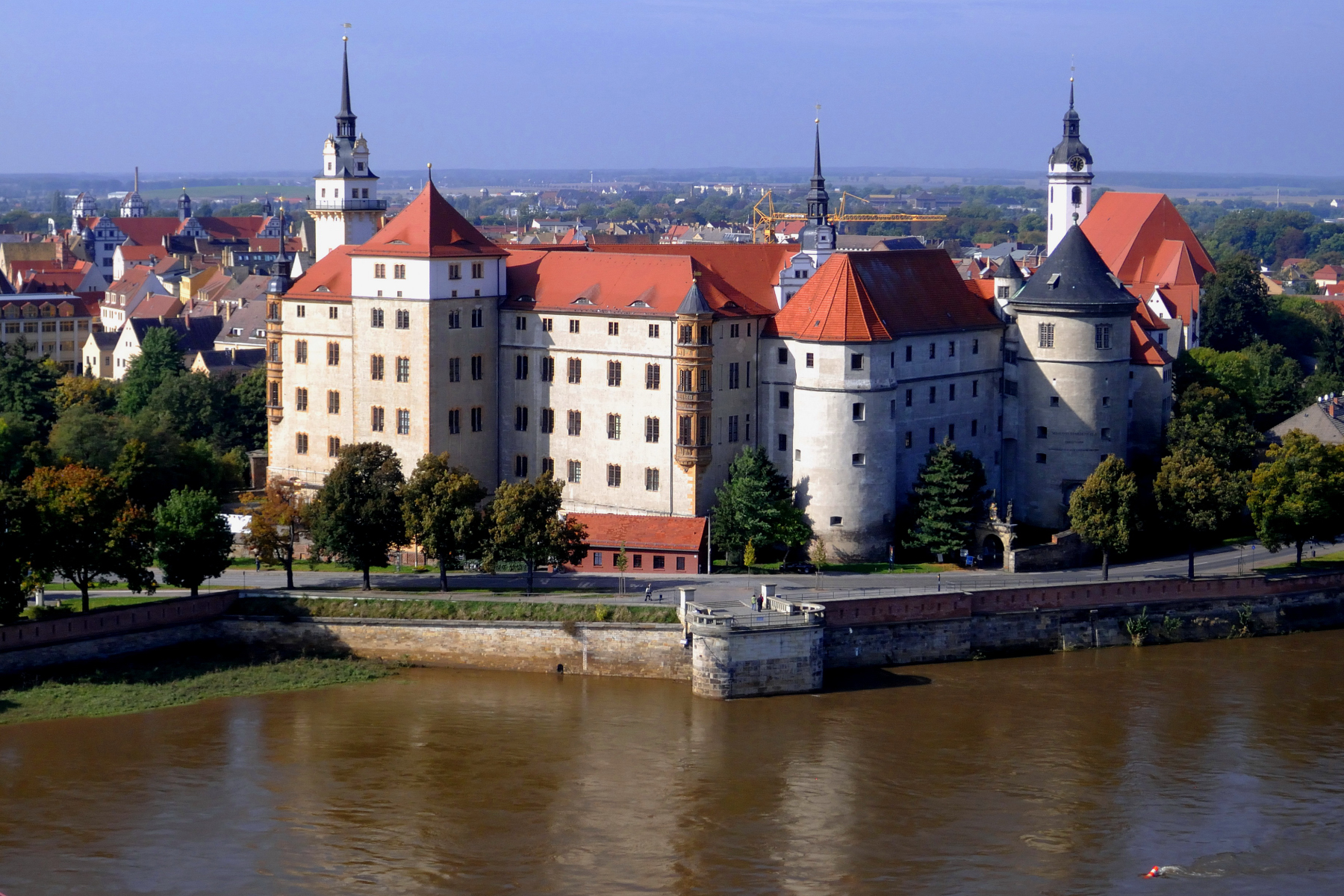
Hartenfels Castle, Torgau
When the Wettin dynasty of Saxony split into two lines during the Partition of Leipzig in 1485, the former main residence, Albrechtsburg Castle in Meissen, passed into the possession of the Albertine line of the Wettins. Elector Frederick III and his successors later had Hartenfels Castle in Torgau expanded to serve as the new main residence of the Ernestine line. Construction of the castle was begun in the 15th century by Konrad Pflüger, a student of Arnold von Westfalen, and continued in the 16th century by Konrad Krebs. It is the largest fully preserved Early Renaissance castle in Germany and one of the masterpieces of the Saxon Renaissance.

Dübener Heide Nature Park
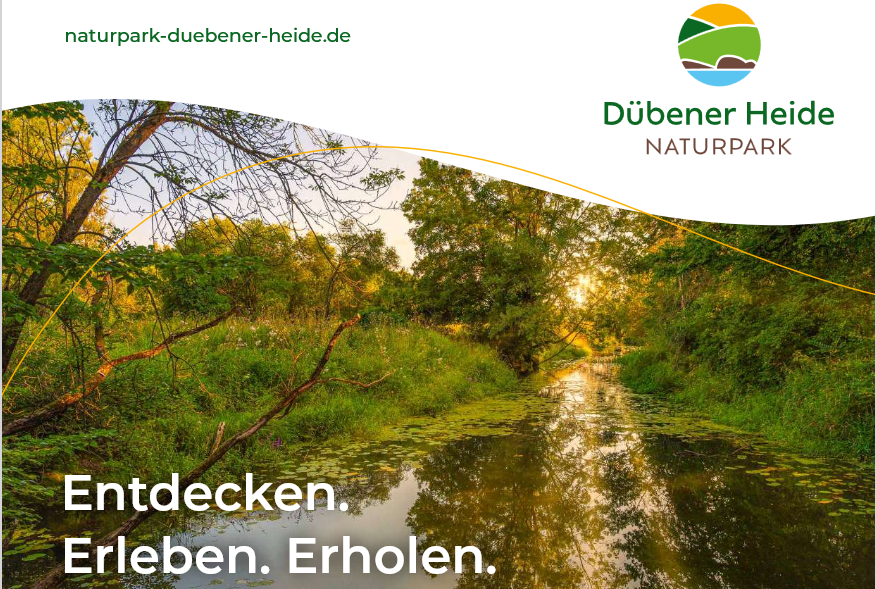
In the Dübener Heide Nature Park, the largest mixed forest in central Germany, a hilly landscape shaped by the Ice Age awaits you, featuring a unique array of flora and fauna. The river landscape between the Elbe and Mulde rivers is characterized by pristine bogs, rustic heathland streams, and enchanted ponds. Beneath towering beech and oak trees, the moss glistens; cranes and white-tailed eagles circle in the clear air, and in summer the air is fragrant with pine and heather. Extensive woodlands and species-rich meadows stretch across the nature park’s 77,000 hectares.
We invite you to explore, experience, and relax. Learn more…
Wittenberg Brewery
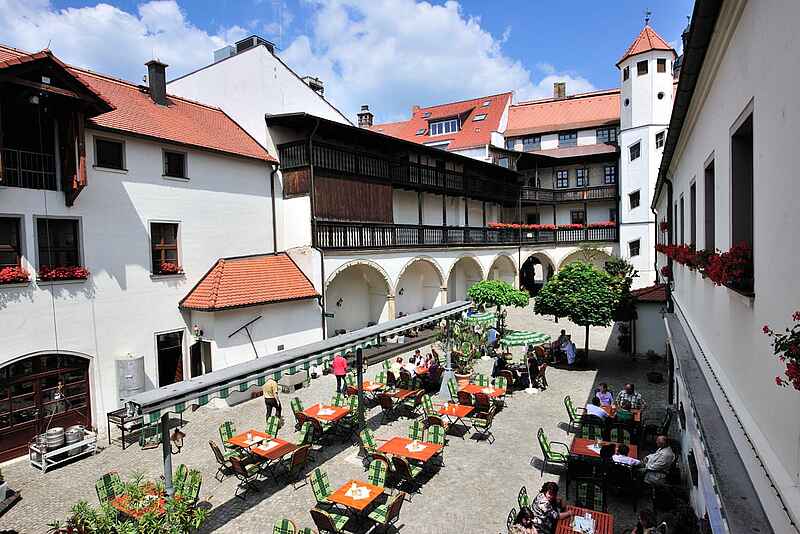
Our restaurant offers hearty meals paired with delicious house-brewed beer.
The restaurant at "Brauhaus Wittenberg" spans two floors. Depending on the day and time of day, you can witness some of the brewing process at
. In the summer, you can relax in the city center’s largest beer garden, sheltered from the wind, and
in the evening hours, experience the historic Beyerhof illuminated.
In the courtyard stands a “Portion Röhrwasser,” a technical monument to the fresh water supply from Martin Luther’s time.
Reserve a table.
Restaurant Menu
Monday from 3:00 p.m. – hot meals served 5:00 p.m. – 8:30 p.m. (on holidays from 11:00 a.m.) Tuesday–Sunday from 11:00 a.m. – hot meals 12:00 p.m.–8:30 p.m. Friday & Saturday from 11:00 a.m. – hot meals 11:00 a.m.–9:00 p.m.
Reservation
0 34 91/43 31 30
Email: info@brauhaus-wittenberg.de
Website: http://brauhaus-wittenberg.de
Brauhaus Wittenberg
Markt 6
06886 Lutherstadt Wittenberg
Black eye
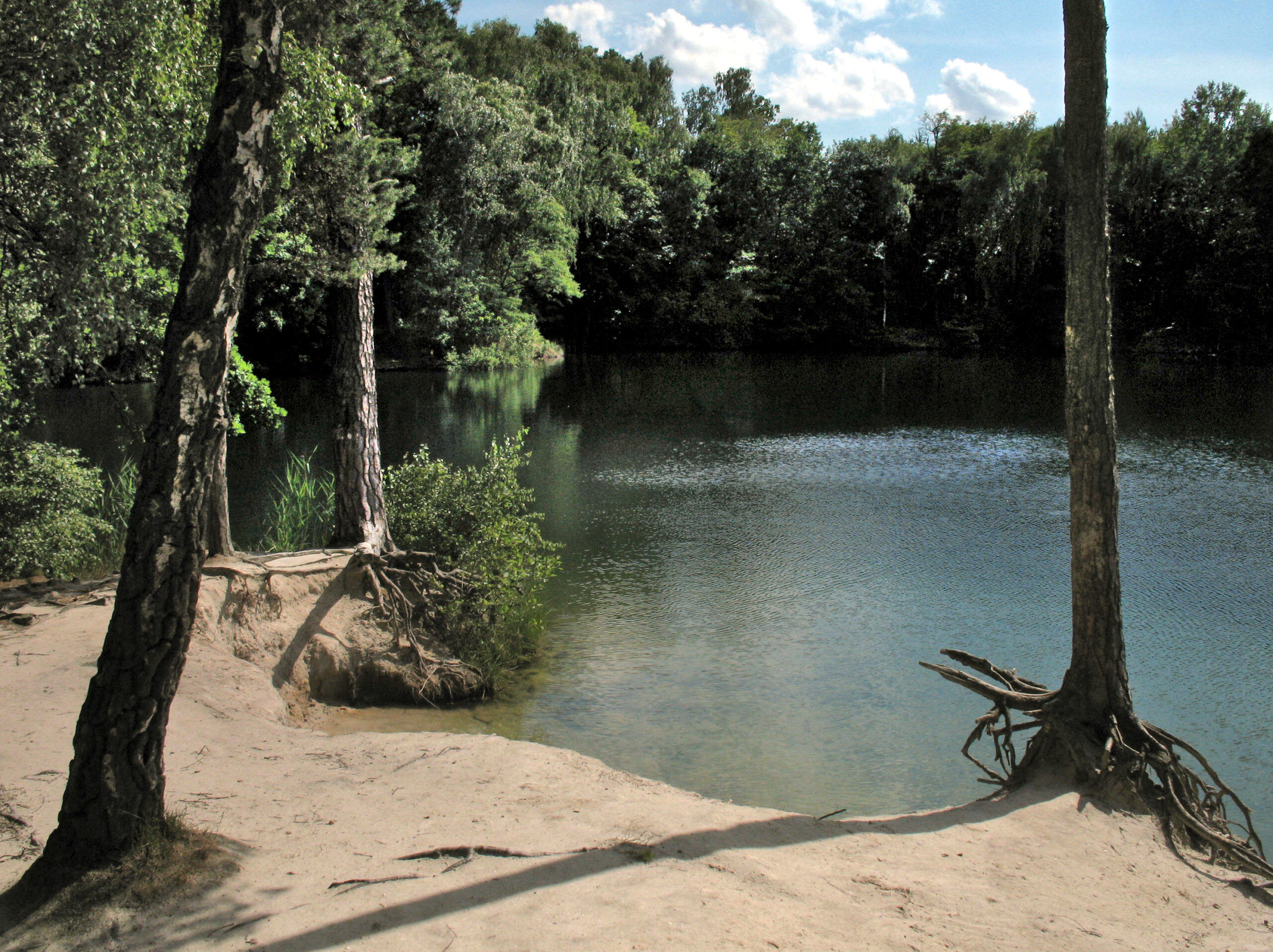
This small lake gets its name from its water, which shimmers blue in the sunshine. Once a gravel pit, it is now a biotope and a popular swimming spot. A small beach invites you to linger. After a bike ride in the summer, this small, idyllic lake near Rainharz offers a welcome refreshment. The lake, which covers about two hectares, is located north of County Road 2027 in a wooded area between Bad Schmiedeberg and the district of Reinharz. It measures approximately 220 by 130 meters.
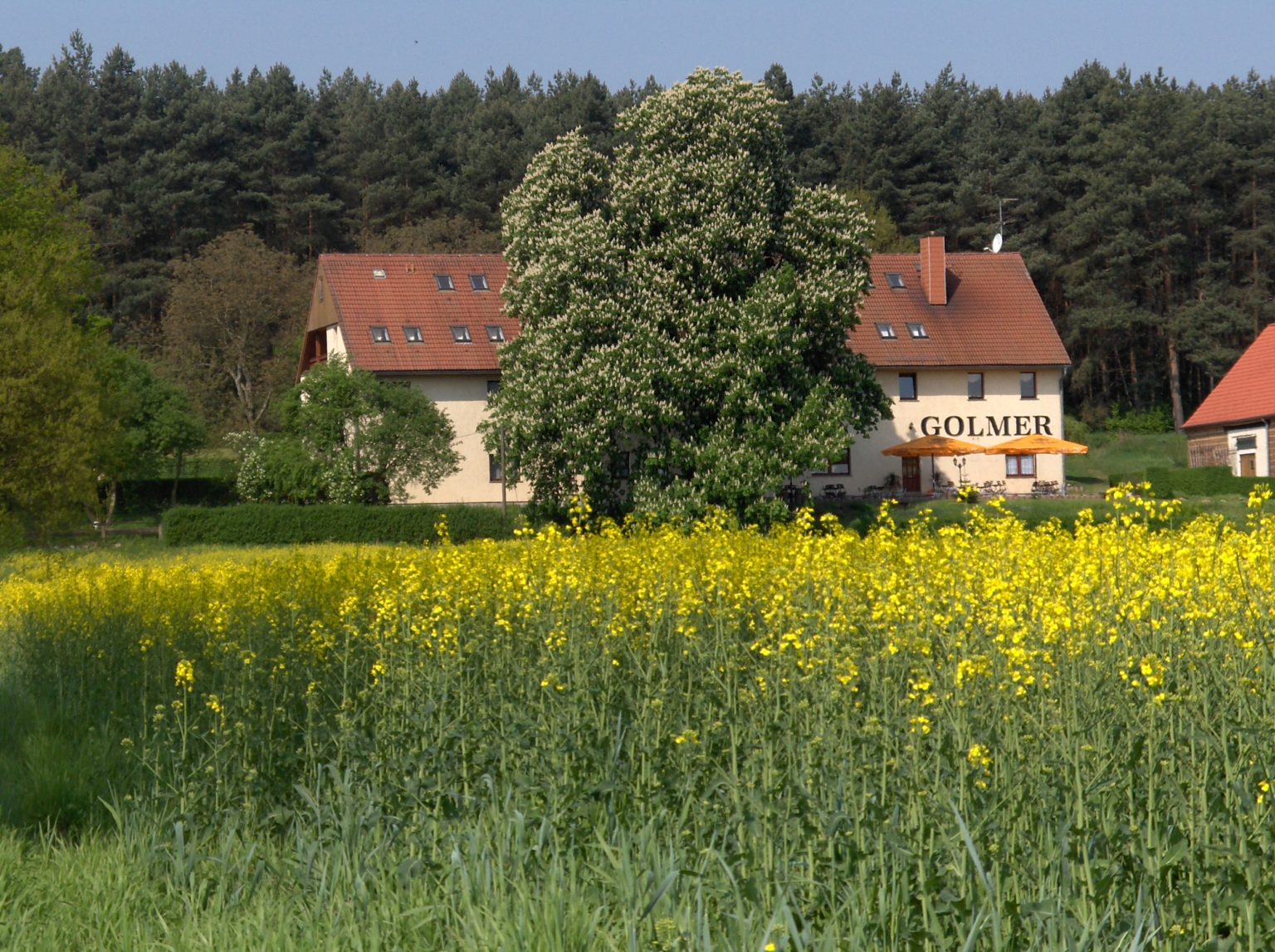
Golmer Weinberg Hotel and Restaurant
Away from the hustle and bustle of everyday life, you’ll find our family-run inn tucked away in the most secluded part of our beautiful “Dübener Heide” nature park.
Enjoy the peace and quiet of the great outdoors and the magnificent view of the Elbe floodplains. We look forward to welcoming you soon as our guests here at the “Golmer.”
The Schultz Family & Team.
Our Hours of Operation
Monday – Thursday
5:00 PM – 9:00 PM
Friday – Saturday
11:00 AM – 9:00 PM
Sunday
11:00 AM – 3:00 PM
Last order 1 hour before closing
Hotel-Restaurant “Golmer Weinberg”
Merschwitz – Am Gollmer Berg 1
06905 Bad Schmiedeberg OTPretzsch
Tel: 034926.58671
Fax: 034926.58672
Email: kontakt@hotel-golmer-weinberg.de
Website: https://hotel-golmer-weinberg.de
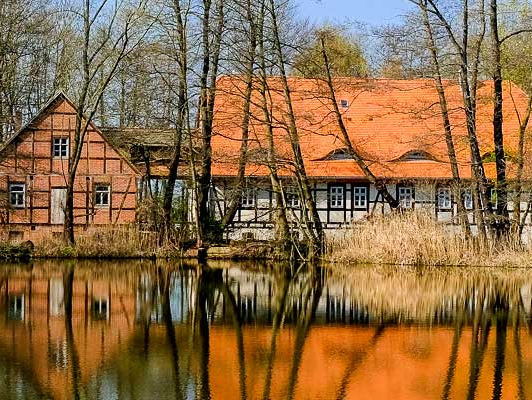
Dübener Heide Heritage Village
Much has changed since then at the historic watermill, the Obermühle Bad Düben, which was first mentioned in historical records around 1500. The mill building and the mill machinery inside, which had been almost completely preserved, were renovated and put back into operation with a new waterwheel. In the years that followed, a series of additions were made: a baking oven modeled after historical examples, a field barn, a shelter for the blacksmith and agricultural equipment, a utility building—our “Mühlenquelle”—and the creation of a mill garden.
Another massive undertaking was the restoration of the post mill, which had been saved from ruin, at the northern entrance to the town in 2006. Since then, our Katharinenmühle has become a landmark of the town and our museum village, serving as a tribute to our chairwoman, Katharina Scharr, who passed away far too soon after successfully leading our association for 15 years.